
7. Ruffy and the Riverside
I try not to be too genre-biased when I make these lists, but this year I played too many great platformers. It would be remiss of me not to mention Ruffy and the Riverside, one of the most creative platformers I’ve played in recent memory. Zockrates Laboratories has crafted a wonderful hand-drawn world, where textures are key to progression. I can’t think of a single game that utilises in-game assets like this, and for that spectacle alone, I can recommend it.
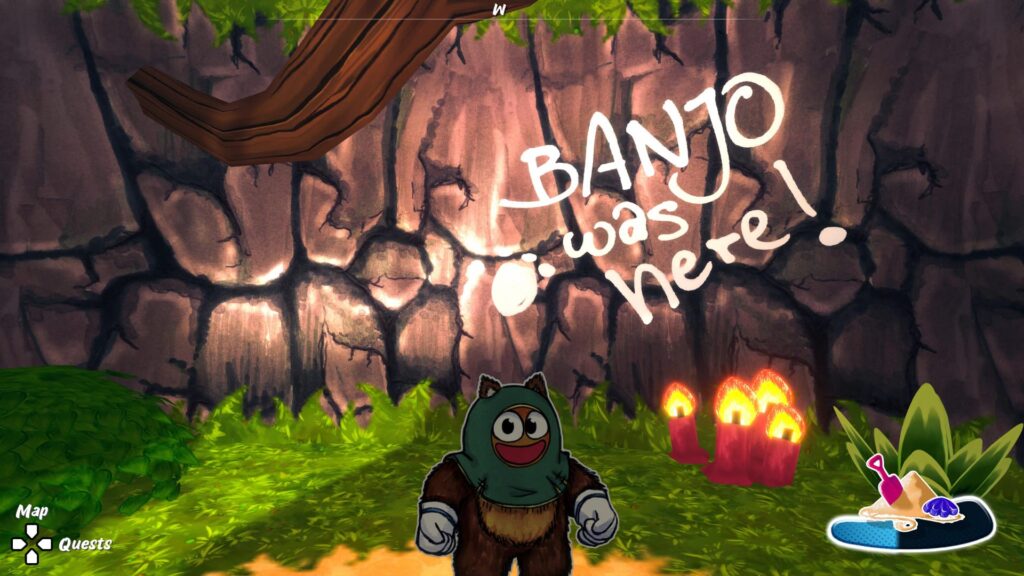
Ruffy has the ability to capture textures and elements, and then duplicate and paint them. The best use case of this is capturing ice and then painting it onto water to create a frozen ocean. There are limitations: only some elements can be captured and painted, for example. But, all of this feels natural and obvious as you progress and organically learn which elements can be manipulated. The game is contained in a fairly open world, with different sections branching off the central hub, much like the hubs in Sonic Adventure.
While the concept itself does a lot of the heavy lifting, the gameplay loop is satisfying and the puzzles are pretty deep. The only flaws I can really think of are that the game takes a while to open up with all your abilities. It lets you roam around really early so that most of the progression is blocked, which can be frustrating. But, once it opens up, it really becomes a fun and brain-teasing adventure. It offers something unique you won’t find in any other 3D platformer on the market. You can even replace all the game’s textures with ones of your own creation if so are so inclined!
6. Life is Strange 2
With Double Exposure releasing in late 2024, it reinvigorated my interest in the franchise. I’ve only played the original title, so I had a lot to catch up on before I felt ready to tackle it. I fell in love with the original’s ‘butterfly effect’ approach to storytelling, especially as a massive fan of time travel stories. It was actually my primary motivation to pick up PS Plus Extra for the year since nearly every title was readily available on the service. So, my journey back into Life is Strange began.
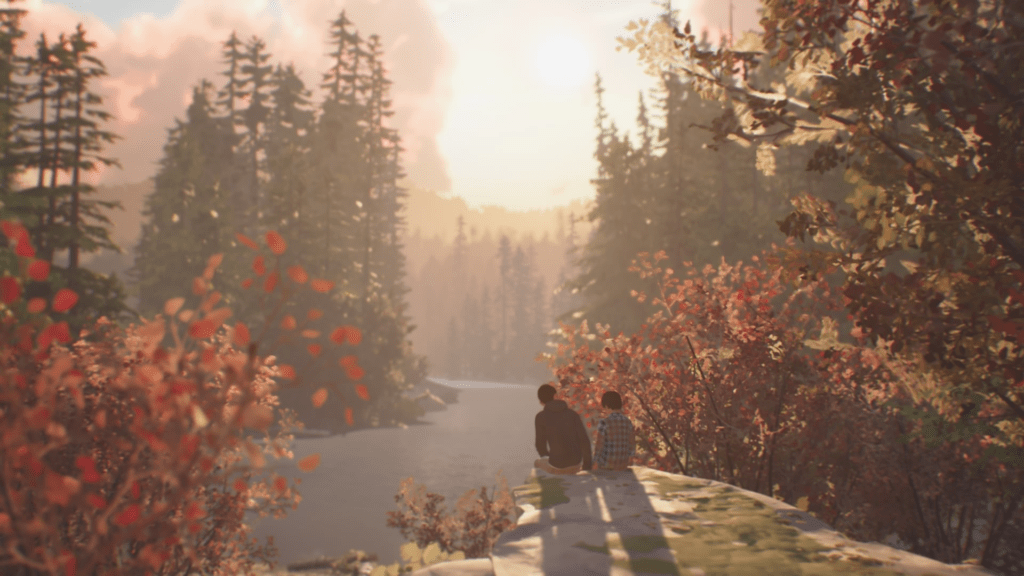
I only wanted to include one entry on this list, and that was tough, but I felt like I said everything I could about True Colours in my review earlier this year. So, the sequel was my favourite from a plot perspective, it got me immediately hooked from the start. I played a chapter a night until I was done, and the story and the twists had gripped me like no narrative adventure game had before. The opening chapter is intense; it starts so unassuming and then goes off the rails so quickly. The brothers’ relationship, their survival and perseverance to get to their destination are incredibly captivating.
It’s not without its problems, though. The story setup is incredibly contrived and avoidable. There are dialogue choices that do not go in the way you’d expect from the options given. There are also frustrating and baffling decisions made that made me groan and want to yell at the characters. But, despite these very visible flaws, the story had me deeply invested, and I would play it again in a heartbeat. P.S. If you enjoy this series, try out Lost Records: Bloom and Rage, Don’t Nod really cooked with that entry, too.
5. Pikmin 1+2
I’ll be straight up: I was pressured into playing Pikmin on our Twitch channel. I wasn’t opposed to it, but I didn’t really have any expectations going in. On the surface, the concept seemed quite complex and a bit stressful. While it is anxiety-inducing, this is part of its appeal to me. Overcoming the stress and managing your units well is the key to success. So what went from an unlikely genre for me, which went against my typical playstyle, became a joyful experience.
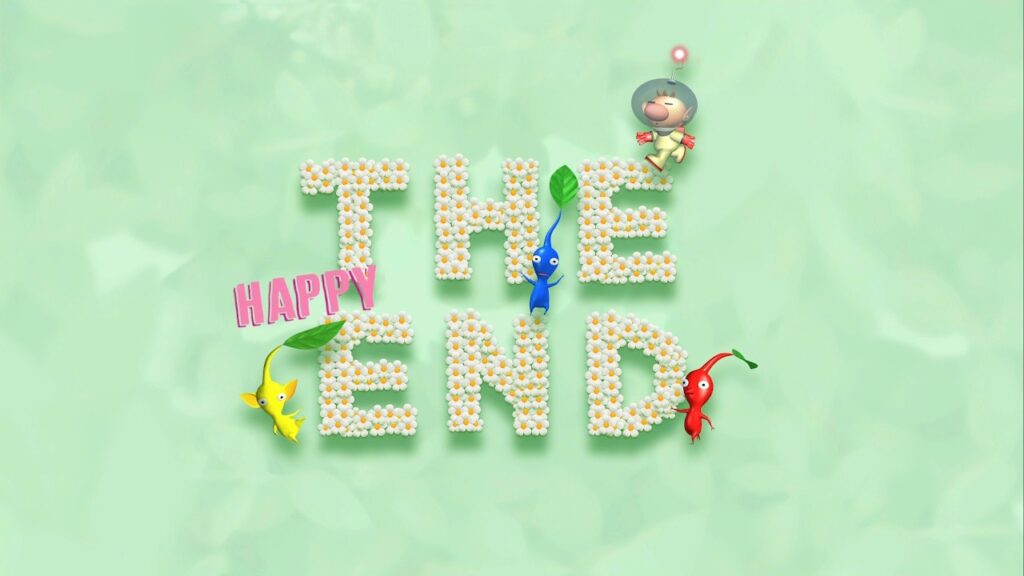
The reason why this entry is both games, rather than a specific one, is due to two key factors. One, both games are bundled together on Switch and two, they are very similar and picking between the two proved difficult. While most may argue that the sequel adds and improves in most ways, I would argue for the beauty of the first’s simplicity. The original title has three Pikmin types, all with their own simple uses and a streamlined gameplay loop.
The sequel adds two Pikmin types, caves, multiple playable characters and does away with the time limit. Fundamentally, there’s a lot to like about both games, but they both appeal to different sensibilities when it comes to game design. I liked the time limit, the simple maps and accessibility. But the caves and new Pikmin types in the sequel made it much more engaging. I’ll, like, go back and forth on these two games forever, but what remains true is that both are excellent and enjoyable experiences. I wholeheartedly wish I’d gotten to them earlier, and I cannot wait to play the sequels in the future.
4. Pokémon Legends: Z-A
As I age, I find myself wanting different things from my gaming experiences. I suppose this is expected, but it’s vastly changed how I approach Pokémon games in a way I didn’t expect. It’s evident that Game Freak has been taking a different direction with the recent titles, from Legends: Arceus onwards. The focus, as far as I can tell, has been on making capturing Pokémon fun, and worldbuilding. I know worldbuilding has always been a strong part of their arsenal, but it’s felt more intentional and thought out recently.
So we get Legends: Z-A, a game taking place in one location, with limited possibilities. But somehow, despite all odds, it thrives in ways I had not anticipated. Battling feels fresh and novel; the rogue mega evolution encounters feel worthwhile. I actually had to adjust my team to take down some of these battles. I’ve never had to do that before. Despite the limitations of being in a city, the roster is diverse and has all the archetypes you’d expect.
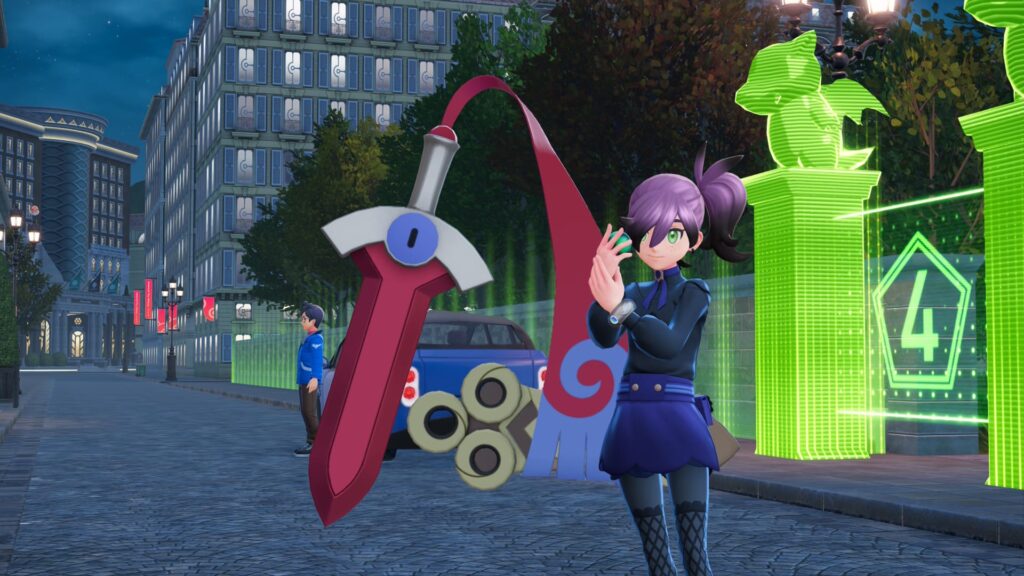
Exploring the sewers, the rooftops and speaking with NPCs and fulfilling tasks helps bolster the city’s impression. Lumiose feels like a character as much as the main cast do, akin to New York City in a Spider-Man adaptation. Mega Evolution, my favourite gimmick, is back and better than ever, with some of the new forms becoming new favourites of mine. It blends well into the real-time combat and adds a level of strategy you didn’t consider before.
Story and Mega Dimensions
The story is character-driven; there’s no evil team plotting world domination, just side effects of people’s mistakes. That’s its core strength: the supporting cast feels human and real. Game Freak have done a fantastic job with this in recent memory; Scarlet and Violet and Arceus boast some of the best supporting cast members in series history. Z-A can sit alongside them, Corbeau, AZ and Naveen being notable favourites of mine. As not to spoil the climax, I shan’t discuss it here, but the two late boss fights were some of my favourites in the franchise.
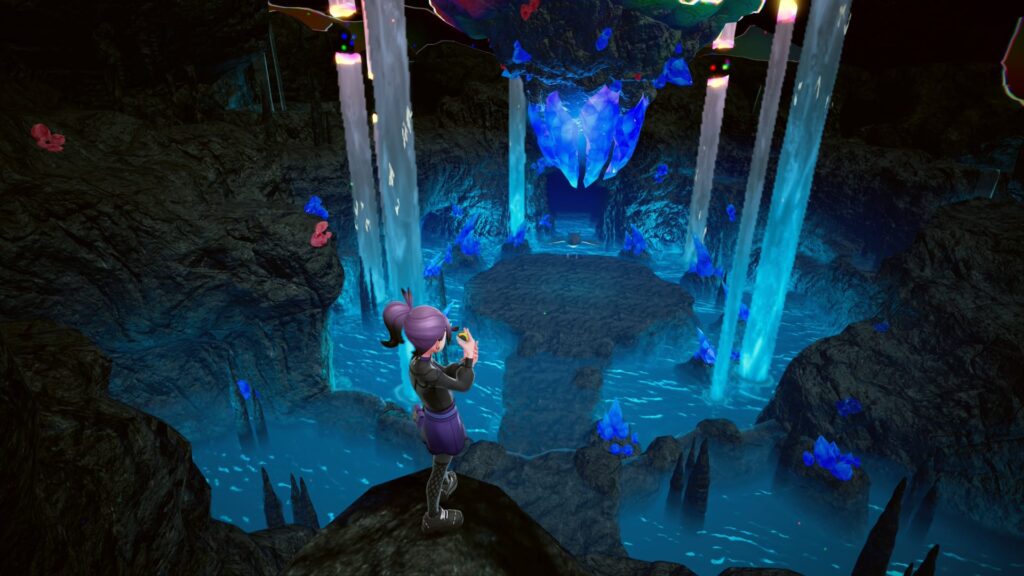
But, what excels the game even further, in my humble opinion, is Mega Dimensions. This expansion blows the doors open, featuring an addictive survey mode into mega-dimensional rifts. Exploring these allows interactions with Pokémon not in the base game, new mega evolutions and even has a rich appreciation for Hoenn. This gameplay loop of surveying, collecting items and points, and then making better donuts for even more rewards got me hooked.
While I spend most of the post-game ticking off quests, catching legendaries and shiny hunting, it’s hard to place how I fully feel about it in the grand scheme of things. But, as far as this year goes, it was definitely a highlight to the end of 2025, and I haven’t got bored with it just yet, so that bodes well. Personally, I feel like Mega Dimensions completes the experience, but if you don’t want to throw out more money at it, I totally get it. I didn’t even mention the trainer customisation, too, hands down best in the franchise!
3. Final Fantasy XVI
Quantifying my thoughts about this one was a challenge, there’s so much to love about Final Fantasy XVI. The main cast of Clive, Jill, Cid and Gav are three-dimensional and like actual people, at times. I enjoy their conversations and banter, but I feel like the absolute dire state of affairs makes most encounters solemn. Don’t get me wrong, this is fine, in a world filled with loss, sadness and class abuse, it makes sense for it to be a bit solemn. The issue is, that characters like Jill, who are constantly sombre and serious. There isn’t any room for levity with her; she’s so dour that it gets tiring by the end of the story.
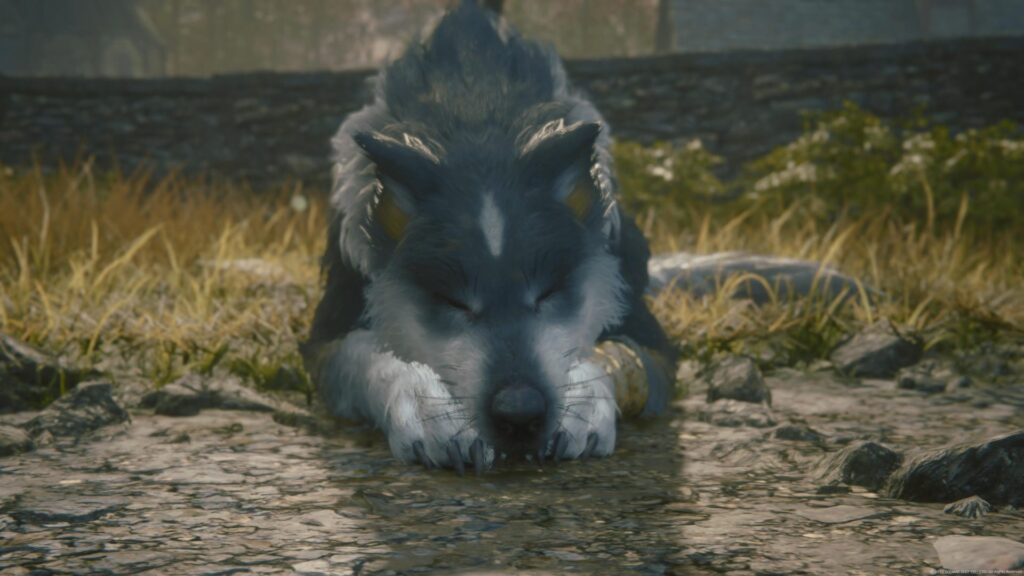
It’s not all doom and gloom, though. Ben Starr’s performance as Clive is fucking incredible. He gives every scene and each line delivery his absolute all, and you can feel all of the emotion in every line. His performance carries this story, but Ralph Ineson as Cid is inspired casting, too. For his rather short involvement in the story, he carries each scene he’s in. So, anything with him and Clive is such a high point. The story itself is rather contrived, and expected from JRPGs, rather standard affair to be honest.
Contrivances and Slavery
Chosen one prophecies aside, the story presents a lot of intrigue that doesn’t really see its full potential. There are lots of threads that are set that don’t really go anywhere, or have very unsatisfying conclusions. Mild spoilers, but the story thread of Clive’s mother is so contrived and ends in such an unsatisfying way that I question why they bothered. The worst part is the whole story is dependent on this element, so it ending so abruptly leaves a bad taste in your mouth. But, oh boy does it get worse.
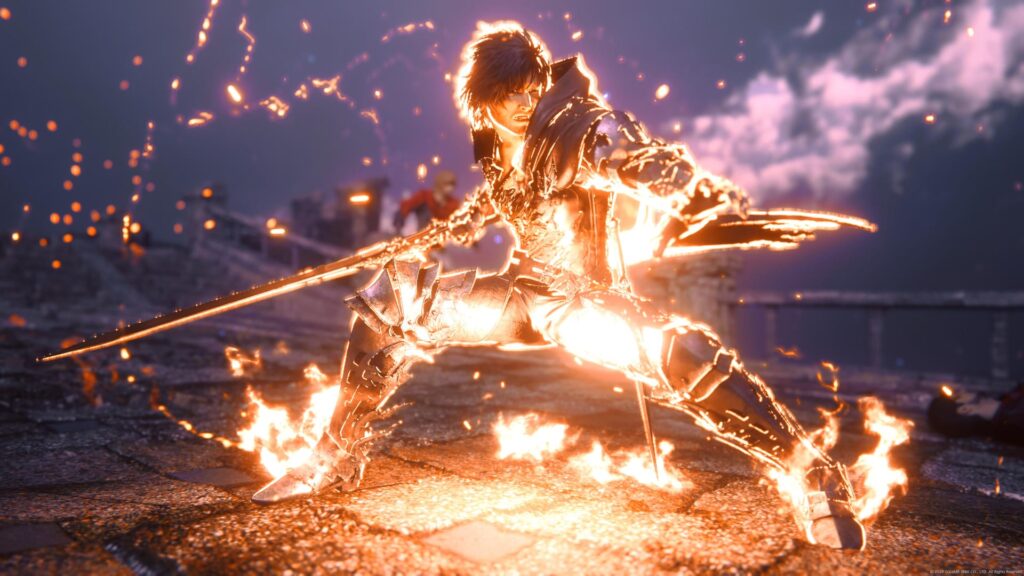
There are a class of people that are treated as slaves called the ‘bearers’. These are people born with natural magical ability who are branded on their face with a poisonous ink. This means these people are treated as less than human and enslaved for their abilities, with dire consequences to their lifespan. This feels like it’s trying to be an allegory for real-world slaves, but its portrayal is so contrived and forced. Characters are treated terribly just because they can wield magic and the powers that be dictate this. But it’s not consistent, the same people can freely use magic with crystals and that’s perfectly fine.
To Conclude the Fantasy
Moving on, I do actually like the plot on display here, pushing past destiny and overcoming the will of fate. It’s inspiring, and seeing the characters band together to overcome adversity does feel earned by the end of the game. The gameplay itself is pretty fun, but once you unlock a few powerful spells, you can chain them together and mindlessly destroy most foes. The only times I had to think about combat were against Odin, and the combat challenges which force you to use all of your abilities. You need to think more in Final Fantasy Mode, but as the game’s super-hard mode, that is expected.
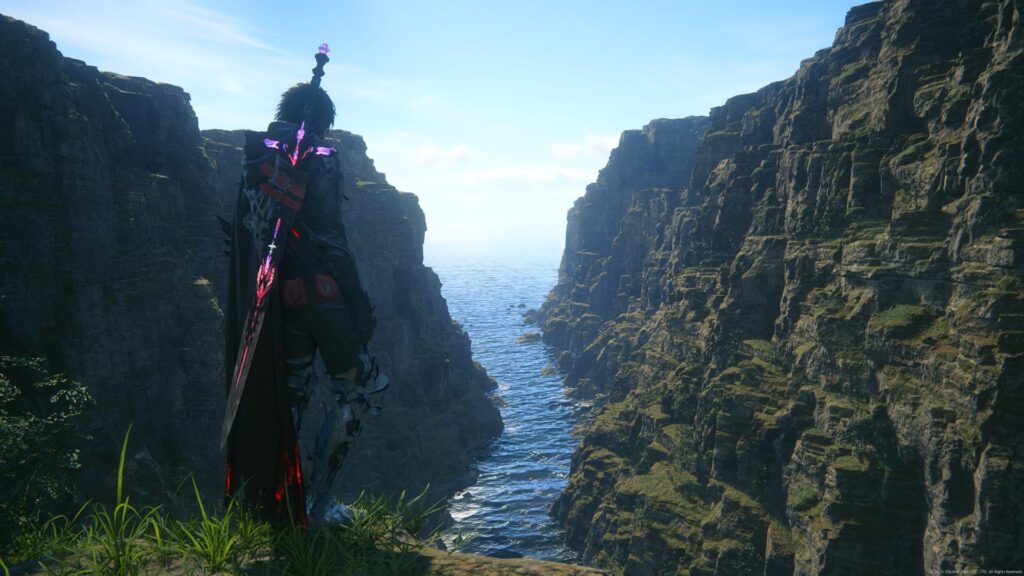
As the plot stops and starts so frequently, and the combat being engaging some of the time, the experience does start to drag. The story does a lot of heavy lifting, and without the side content, I don’t feel like I’d care that much about the characters involved. Make no mistake, though, this was still a fantastic game for me. I criticise because I care, and the fact that I care so deeply about its issues is evidence that I am invested in the game’s success.
There are a lot of highs here, I played it twice back to back for the Platinum and its DLC and loved it.. The flaws may be too egregious for some, but the performances, mystery and intrigue kept me going. The side content adds so much, even if particular elements go unfounded. It’s great to see Final Fantasy go back to its medieval fantasy roots after being in a futuristic cyber phase for a while (yes, I know about their ancestors). It’s a hard game to recommend though, if you want a combat-heavy Game of Thrones-style story, definitely check it out.
2. Sonic Racing Crossworlds
I am the kart racing person when it comes to Underlevelled, and I have no qualms in openly declaring that. I have played many, from the terrible licensed entries to the high-quality real competitors vying for the plumber’s throne. While I have loved the Sonic racing entries from SEGA All Stars to present, they all felt a little lacking compared to the Nintendo giant. Little did I know, this was about to change. In a year of multiple serious contenders to grab your kart racing focus, Sonic reigned supreme, to me at least.
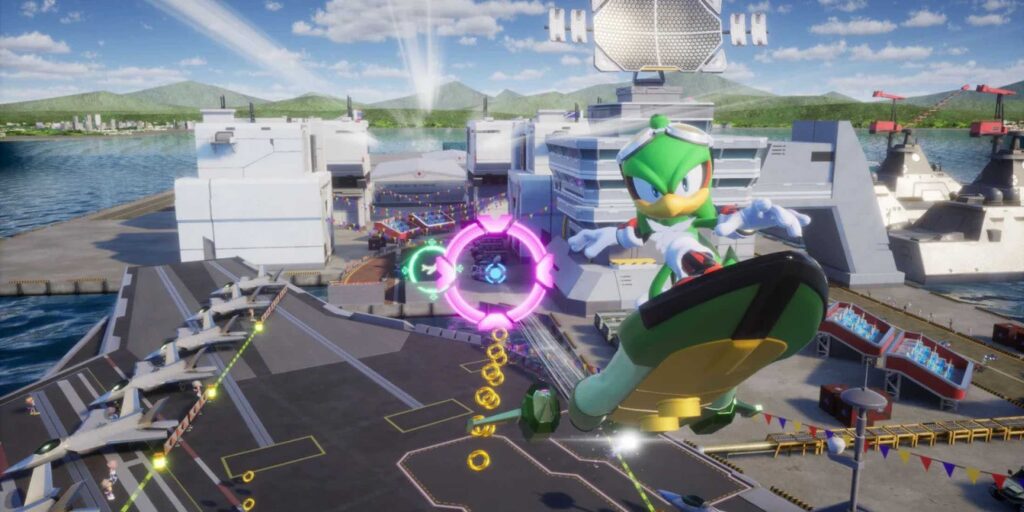
While I personally feel like the single-player content is lacking, especially compared to the series’ history, what we do have is unbelievably solid. Every track in the base game is fun, well-thought-out out and a thrill to race through. I am never sad to see a track show up; it’s banger after banger. This goes for the CrossWorlds tracks too, which, might I add, is such an unbelievably cool and innovative feature that I am surprised that Nintendo didn’t come up with it.
Everybody’s Super Sonic Racing
The roster is near perfect, with practically every Sonic character you’d ever want to play as from the main line-up. Sure, it could have some more obscure characters and character variants, but what we have is enough to satiate every Sonic fan. The choice to bring back extreme gear and the Babylon Rogues, for me, is more than I could have ever wanted as a huge fan of Sonic Riders. This is practically a perfect Sonic racing package, and the gameplay feels so fast, visceral, and engaging with the perfect item balancing, making it super addictive to play.
Every time I go back for a festival, I am reminded how fun and engaging the racing is and I get super invested in the game mechanically. I’ve played this for over 100 hours in the last few months, and I’m sure that will keep increasing with time. The director, Ken Kobayakawa, has promised more content and surprises in 2026, and I cannot wait to see what is in store for us. Also, I’m indifferent to the third-party inclusions as paid DLC, glad they’re there for those that want it, but I haven’t really interacted with it much.
1. Metaphor ReFantazio
I have so many thoughts about Metaphor that keeping it brief for this list will be a challenge. When you take a team that is known for Persona, and then craft a new team for a more emotionally intelligent story, you get Metaphor. Tackling systemic issues, such as class disparity and race, would usually amount to either a pandering or heavy plot, but no. While the plot does allow these issues to breathe with the levity they deserve, it doesn’t shy away from being a thrilling fantasy journey.
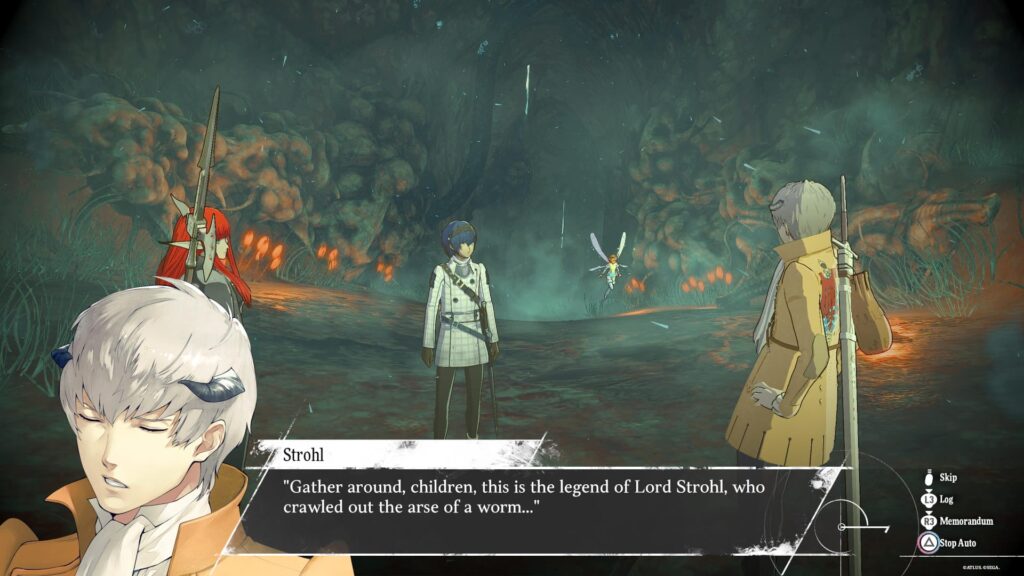
Each character feels genuine and real, a stark progression from Persona’s cast of almost cartoonish party members. This allows the story to breathe and progress naturally with realistic reactions, impressions and conversations. The confidants are rich and worthwhile, adding emotional depth and worldbuilding into this fascinating realm. Each covers the characters’ struggles, their racers’ perception of the world and how their superficial qualities are much deeper than the surface. You feel inclined to seek them out, and not complete them out of obligation.
Where this game shines is its combat; it feels like a culmination of 30 years of innovation from Atlus’ rich history. Taking all the best elements of Shin Megami Tensei, Persona and Devil Summoner and transfusing them with the new Archetype system. What this establishes is a deep system of jobs you can mix and match abilities from to create the perfect combination of jobs. You can abuse their best qualities together to create incredibly overpowered combos. With just a little experimentation, you can even take down even the strongest foes with ease.
A Fantasy Story Like No Other
Combining a stellar story, with characters you care about and a deep, layered combat system, and you have the perfect storm. The world feels rich and lived-in with its own legends, religions and deep culture. The antagonists breed intrigue and encourage the player to think and work things out while pushing onwards to the story’s climax. This all comes together to a near-perfect ending that I can’t even begin to get into without spoiling it. Combine a wonderfully suitable score, and you have yourself hooked into a world that you long to learn more about.
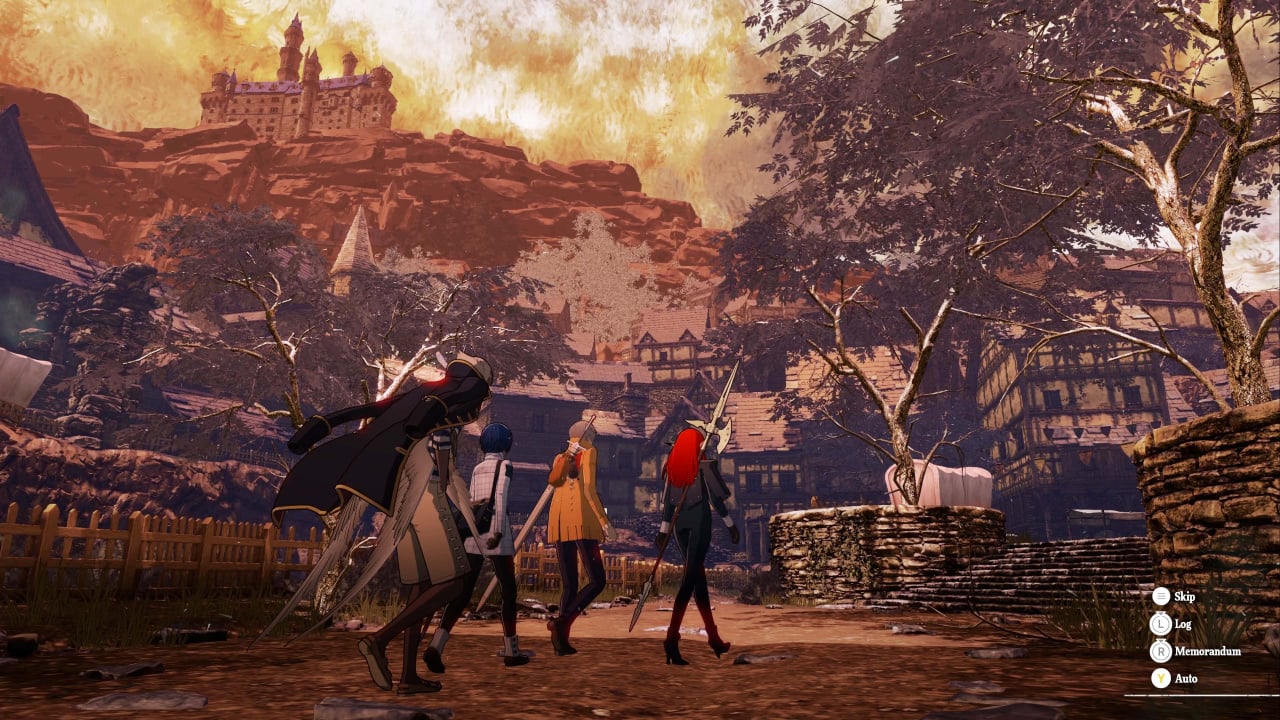
I haven’t even gotten into the masterful UI design and incredibly strong art style, but I think it would be stranger for an Atlus game to lack these strong elements. To say this is the magnum opus of the fantasy JRPG genre may be hyperbolic, but I genuinely believe it. As I experience more, this may change, but Metaphor has set a ridiculously high bar. This is easily my game of the decade and I cannot wait to see where Studio Zero go next. Atlus’ future is very bright and I am right on board for it.
Thanks for reading my list! Have my reviews motivated you to try any of these games out? I’d also be interested in what your favourite games of 2025 were. Happy New Year readers, and thank you for a wonderful year. Here’s hoping that 2026 is even brighter!

Video game completionist and 3D platformer connoisseur, Riley is a fan of the whimsical frenzy of bright and colourful characters that blessed us in the late 90's. Their favourite game's are Spyro, Persona 5 and Super Mario Sunshine.


Post Comment